

What Does a Movement Director Do?
Movement Direction Explained for Film, Advertising & Performance

Introduction: Understanding the Role of a Movement Director
What does a movement director do?
In contemporary film, advertising, fashion, and performance, movement has become a central storytelling tool. Therefore, the role of a movement director has grown increasingly important. A movement director shapes how bodies move on camera or in space, ensuring that physical expression supports the narrative, visual language, and emotional tone of a project.
Unlike traditional choreography, movement direction goes beyond dance steps. Instead, it focuses on authentic physical behavior, spatial awareness, timing, and embodiment. As productions become more visually sophisticated, movement direction helps create believable and compelling movement on screen and stage.
What Is a Movement Director?
A movement director researches, develops, and implements a physical language tailored to a specific project. This includes posture, gesture, rhythm, spatial relationships, and transitions between movement states. The goal is to create a coherent physical narrative that aligns with the director’s vision and the overall aesthetic of the production.
Movement direction is used across many formats. For example, it appears in:
– Film and television
– Commercials and brand campaigns
– Music videos
– Fashion shows and editorials
– Performance art and installations
In each context, movement direction ensures that performers move with intention and clarity. As a result, productions avoid generic or improvised physicality.
|
|
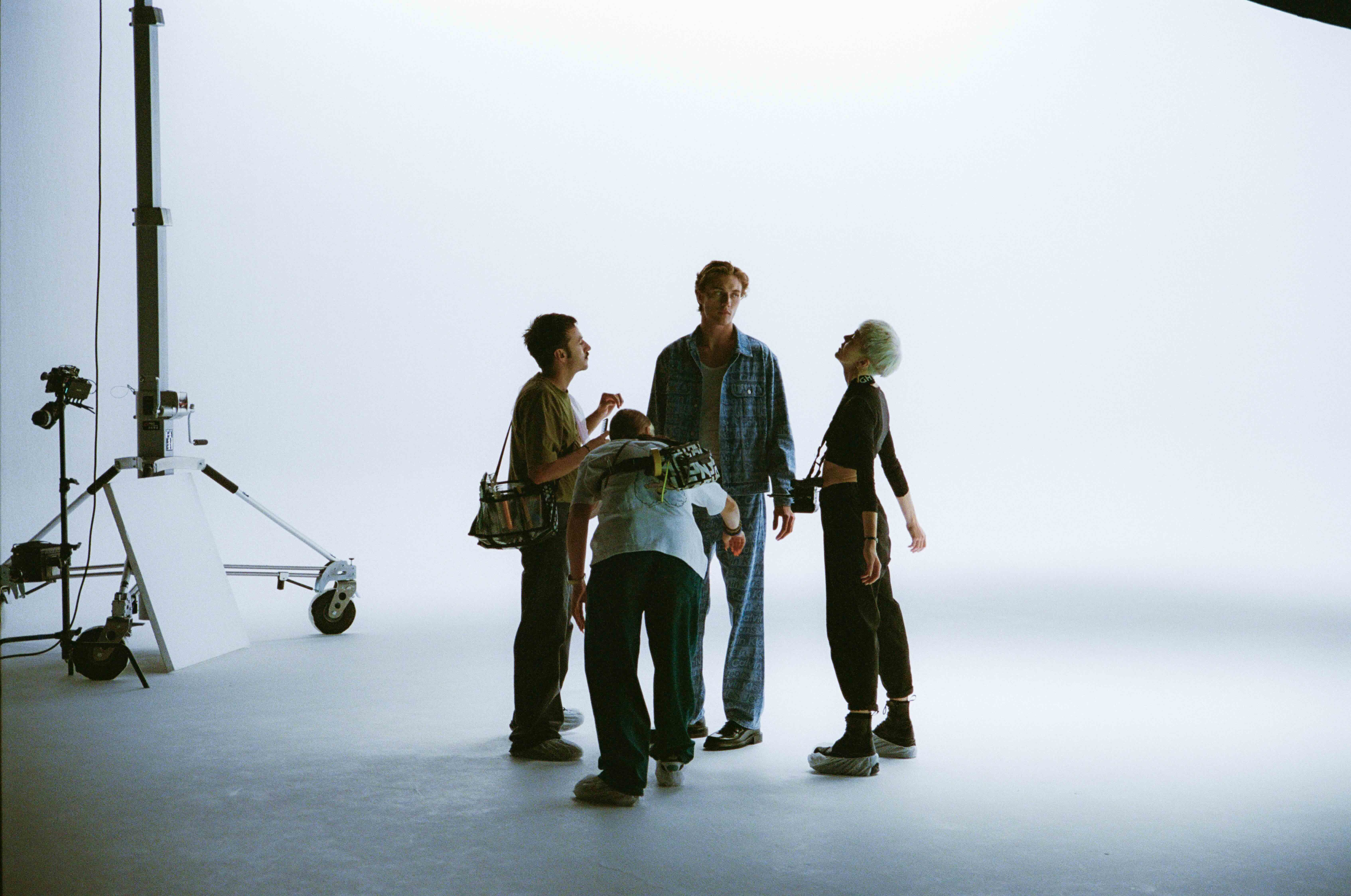
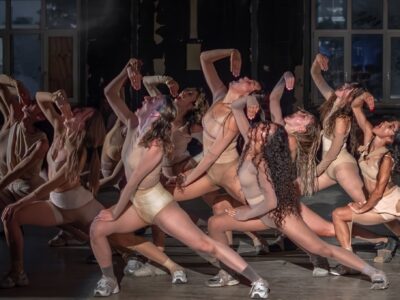
Selected movement direction projects across film, advertising, and fashion can be found in the movement director portfolio. |
Movement Director vs. Choreographer:
What Is the Difference?
A common question concerns the difference between a movement director and a choreographer. While both roles work with movement, their focus and responsibilities differ.
A choreographer typically creates fixed movement sequences, often set to music. This approach emphasizes form, rhythm, and repetition and is common in dance productions and musical formats.
A movement director, by contrast, focuses on movement as behavior. The work remains flexible and adaptive, responding to camera angles, editing rhythms, costumes, environments, and emotional context. Therefore, movement direction prioritizes authenticity, continuity, and narrative coherence rather than memorized choreography.
In many productions, both roles may overlap. However, movement direction becomes essential when working with non-dancers such as actors, models, musicians, or athletes.
What Does a Movement Director Do on Set?
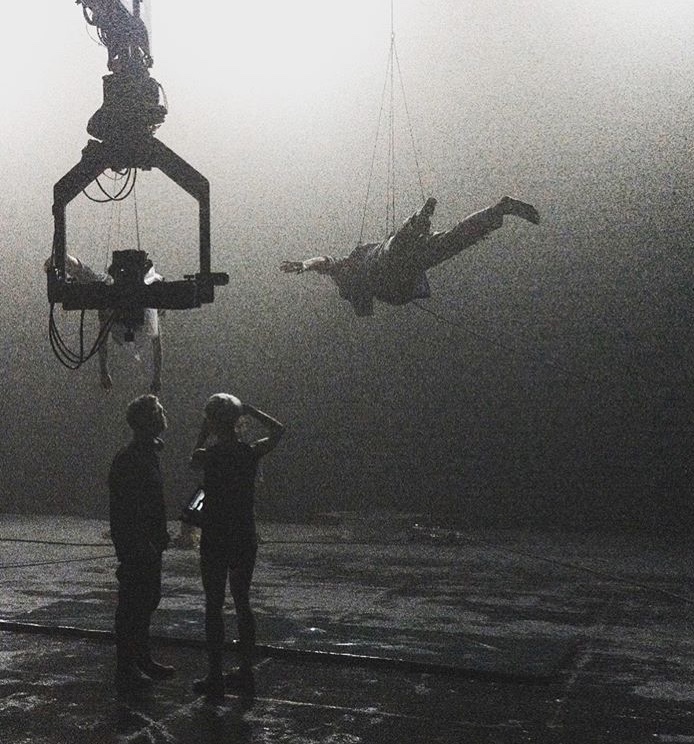
On set, the movement director acts as a physical supervisor. This role involves close collaboration with the director, cinematographer, and creative team. Together, movement is refined in real time.
Key responsibilities include:
– Translating abstract concepts into clear physical instructions
– Adjusting movement to camera framing and lens choices
– Supporting performers during last-minute changes
– Ensuring consistency across multiple takes
– Maintaining physical continuity throughout a shoot
Because movement often needs to adapt quickly, the presence of a movement director allows productions to remain flexible without losing coherence or quality.
|
|
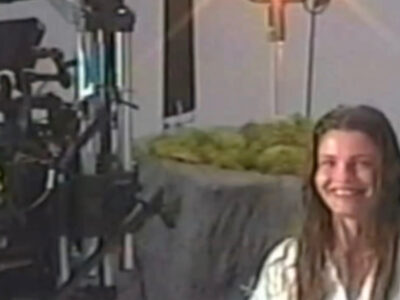
A behind-the-scenes view shows how on-set movement supervision is applied in practice. |
Working With Performers:
From Training to Performance
Movement direction often begins long before the camera rolls. Preparation is therefore a crucial part of the process. A movement director develops training methods that help performers understand and embody the required physical language.
This preparation may include:
– Individual or group rehearsals
– Movement research sessions
– Physical awareness and alignment work
– Exercises tailored to costume, environment, or technical constraints
Performers may include actors, singers, dancers, models, or extras. Since not all performers share the same physical background, movement direction bridges these differences. In this way, a shared movement vocabulary is created across the cast.
Why Movement Direction Matters for Camera-Based Productions
On camera, even small physical details become visible. For instance, hand positions, weight shifts, breathing patterns, and eye focus all influence how authentic a performance feels. Movement direction refines these details so that they read clearly on screen.
In advertising and fashion, movement direction is particularly important. Brands rely on precise physical communication to convey values such as confidence, elegance, strength, or freedom. Incorrect or unconvincing movement can undermine the entire visual message.
As a result, movement direction contributes directly to:
– Visual credibility
– Emotional clarity
– Brand consistency
– Overall production quality
Movement Direction in Advertising and Fashion
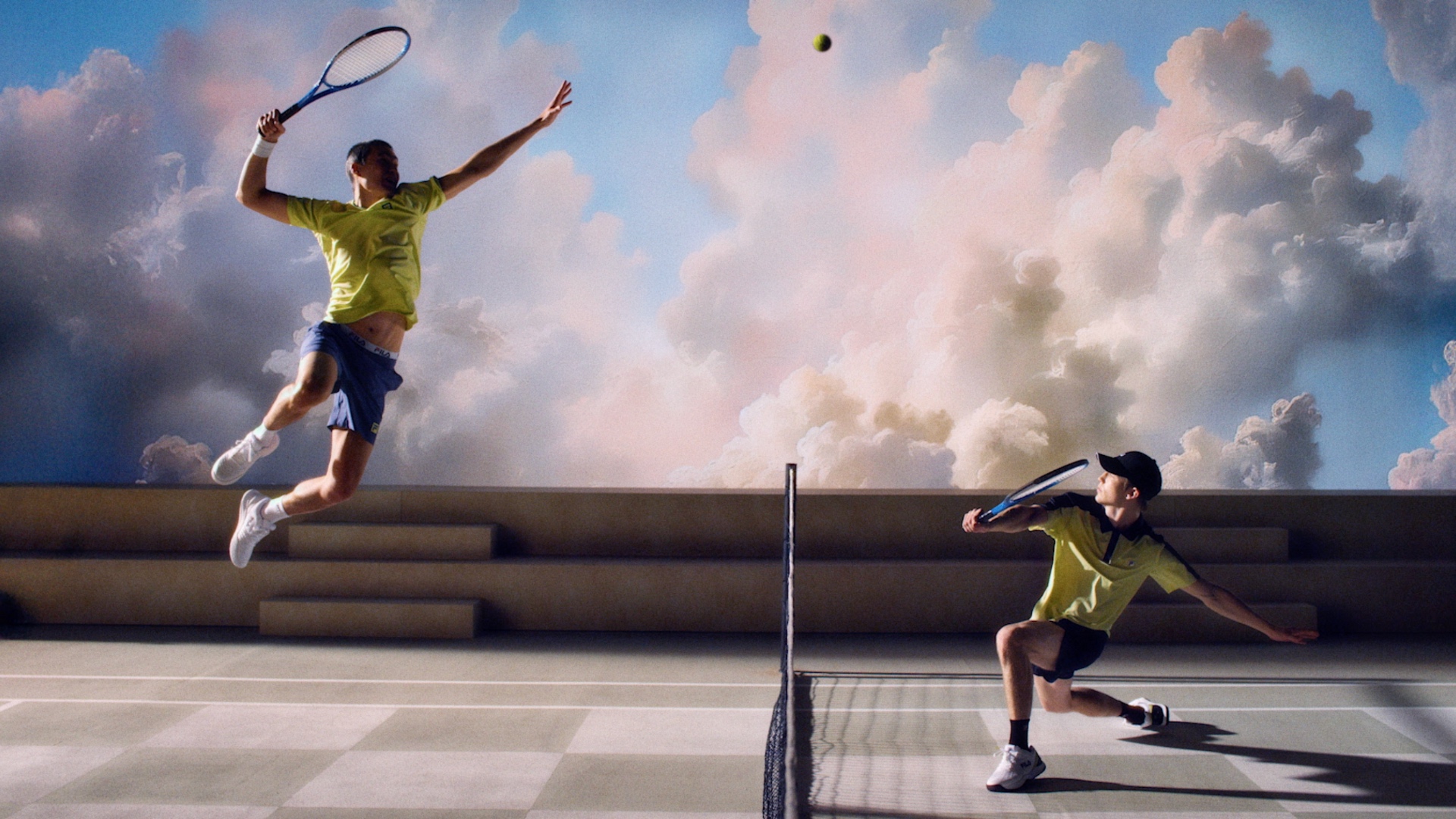
In commercials and fashion campaigns, movement must align with brand identity. Sports brands require technically correct movement, while luxury brands often emphasize restraint, flow, or control. Editorial projects may call for experimental or abstract physical languages.
A movement director ensures that models and performers move in a way that feels appropriate, informed, and intentional. This is especially important when working with athletes or celebrities, who bring their own physical habits and public personas into a project.
Specialized Fields Within Movement Direction
Movement direction can include highly specialized skill sets, depending on the production:
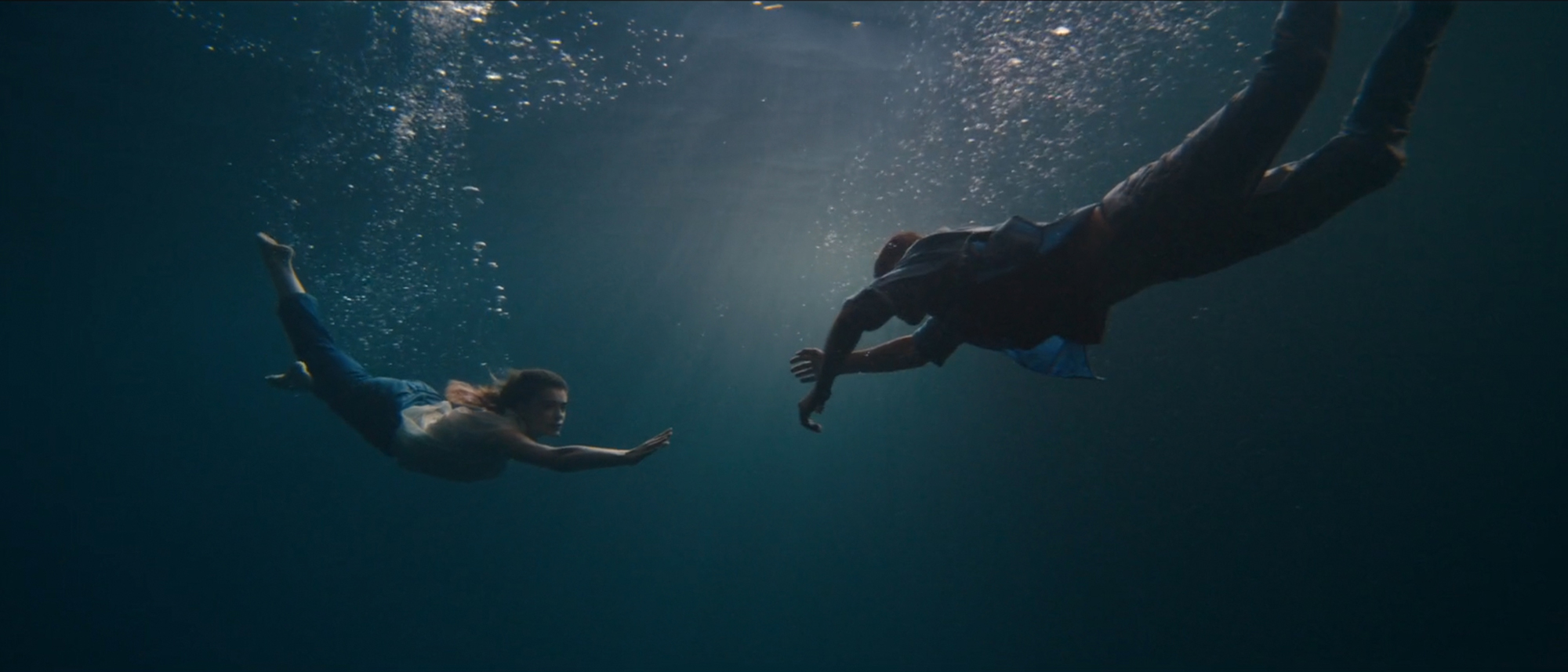
– Underwater movement direction, where buoyancy and breath control shape the choreography
– Cross-gendered movement work, exploring physical expression beyond traditional gender norms
– Chorus and group movement, creating cohesion across large casts
– Installation-based performance, where movement interacts with space, architecture, or technology
These specializations require both technical knowledge and artistic sensitivity.
Movement Direction as Physical Storytelling
At its core, movement direction is about storytelling through the body. Every project asks a different question: How does this character move? How does this body relate to space? What physical choices support the narrative?
By answering these questions, a movement director helps transform abstract ideas into visible, embodied actions. This allows audiences to connect intuitively with what they see, even without words.
Conclusion: Why the Role of a Movement Director Is Essential
So, what does a movement director do?
A movement director shapes how stories are told through bodies. By guiding performers, refining physical detail, and aligning movement with vision and context, movement direction ensures that physical expression feels authentic, intentional, and precise.
As visual storytelling continues to evolve, movement direction has become an essential part of contemporary production. Whether for film, advertising, fashion, or performance, the movement director bridges concept and embodiment—turning ideas into living, moving narratives.
______________________________
To learn more about the artistic approach behind movement direction, explore About Movement Director Marie Zechiel.
A selection of recent projects can be found in the Movement Director Portfolio, showcasing movement work across film, advertising, fashion, and performance.
For a deeper insight into how movement direction operates across different formats, continue with Movement Direction for Film, Advertising & Fashion.

Leave a Reply