

Movement Director for Film, Advertising, and Fashion
Aligning Body, Camera, and Image
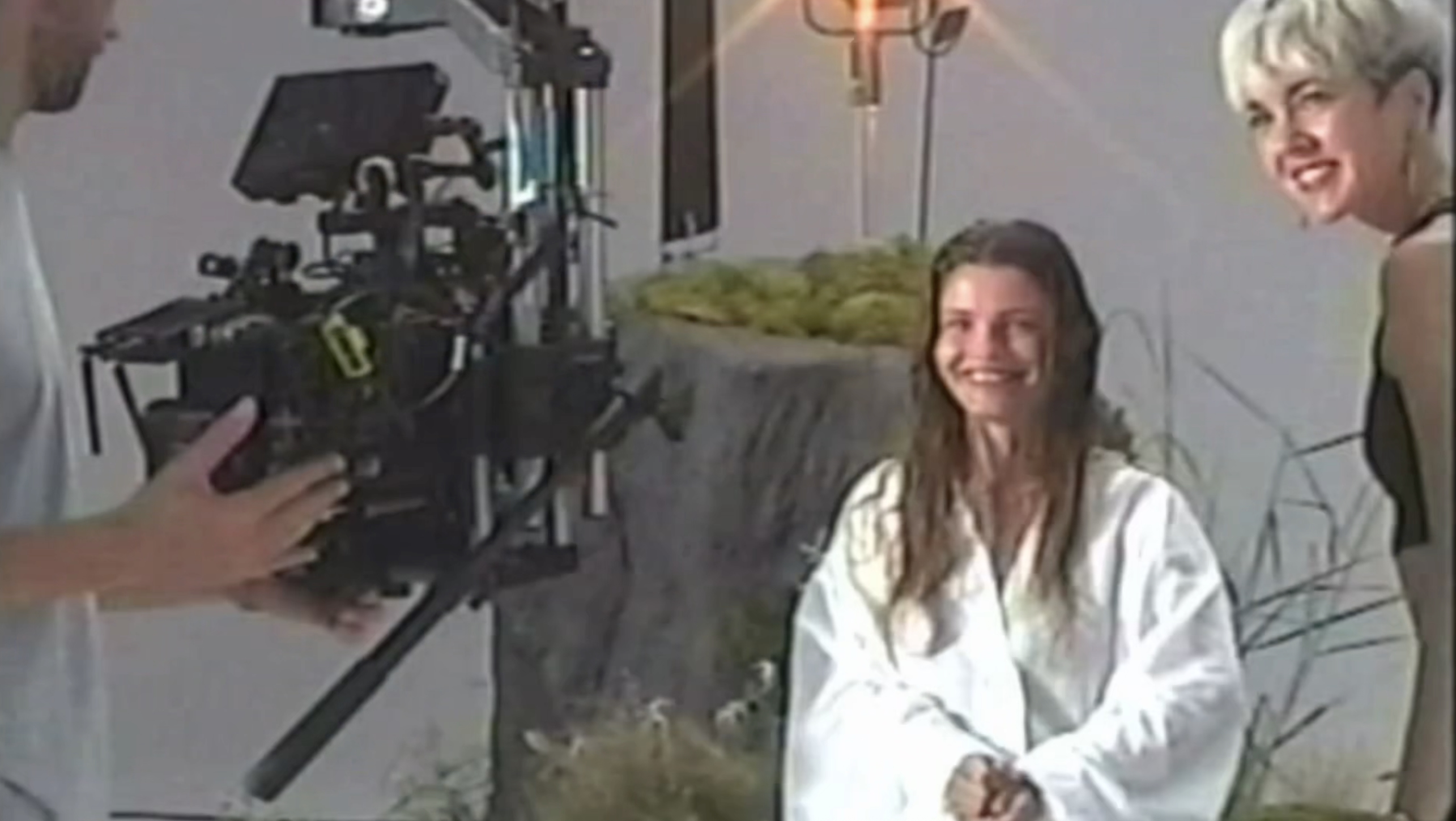
Movement Direction Under Camera and Image Conditions
In film, advertising, and fashion, movement works under very specific visual conditions. Cameras, lenses, editing rhythms, and spatial constraints shape how bodies are perceived. At the same time, garments, silhouettes, and materials influence how movement reads in fashion contexts.
In this context, movement direction aligns physical action with visual language. The focus is not only on performers. It also considers how bodies, garments, and camera movement interact within a frame. As a result, movement becomes clear, intentional, and visually coherent.
Movement Direction as a Tool for Camera-Based and Image-Driven Storytelling
In camera-based productions, movement is fragmented through framing and editing. A gesture may appear in close-up, while a transition unfolds in a wide shot. Therefore, physical actions must remain consistent across perspectives.
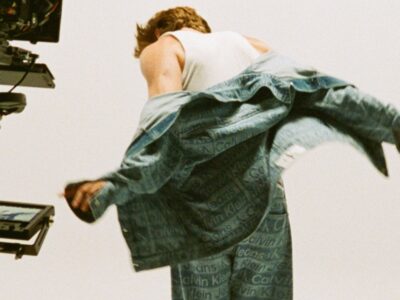
In fashion, movement must also serve the garment. Posture, rhythm, and pacing reveal cut, texture, and flow. For this reason, movement direction refines physical choices so that both body and garment stay readable. As a result, movement supports narrative, image composition, and design intention at the same time.
Synchronizing Performer Movement and Camera Movement
In film and advertising, camera movement becomes a form of choreography. Tracking shots, cranes, Steadicam sequences, or handheld cameras introduce their own rhythm. Because of this, performer movement and camera movement must be synchronized.
Movement direction coordinates these layers. Performer timing is adapted to camera speed and trajectory. At the same time, camera paths are considered when shaping physical actions. In fashion campaigns and editorials, this alignment ensures that garments move with the camera rather than against it.
As a result, complex camera movements feel fluid instead of forced.
|
|
View selected Projects in PortfolioHERE |
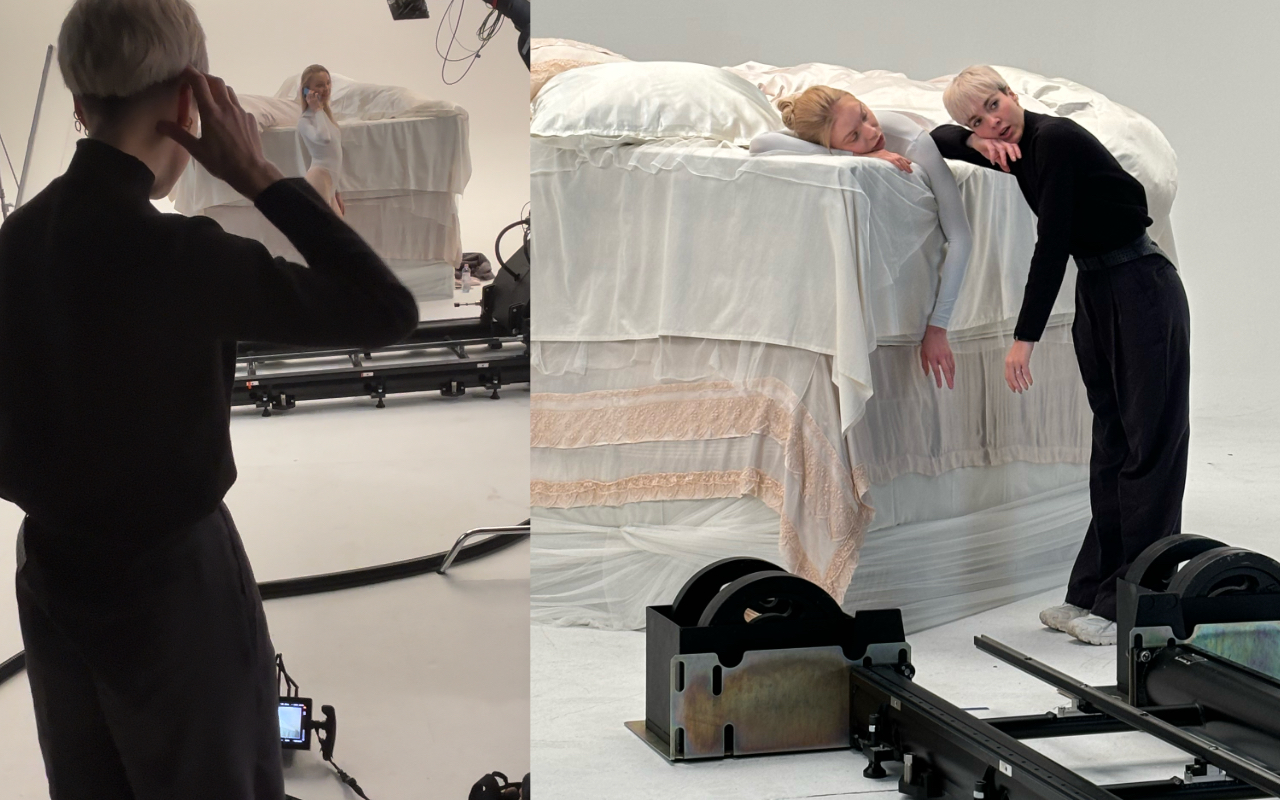
On-Set Movement Supervision Across Productions
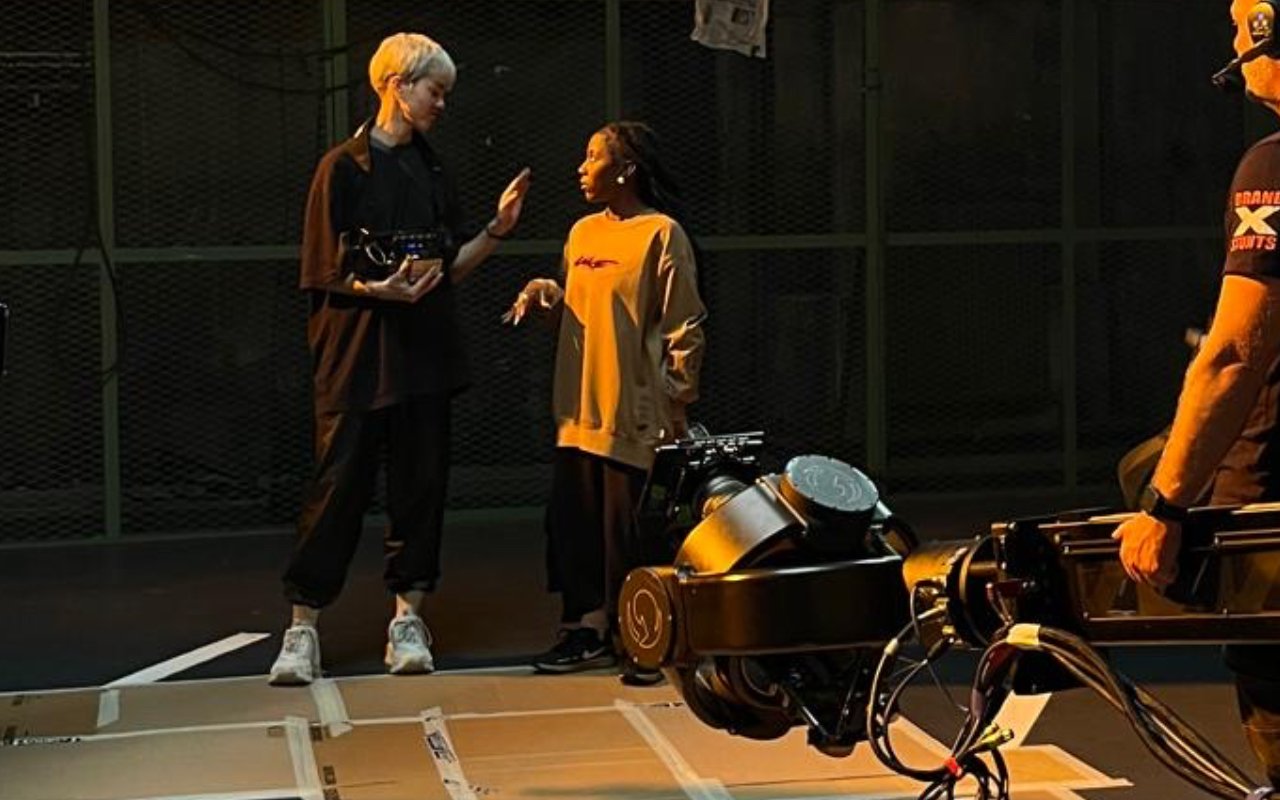
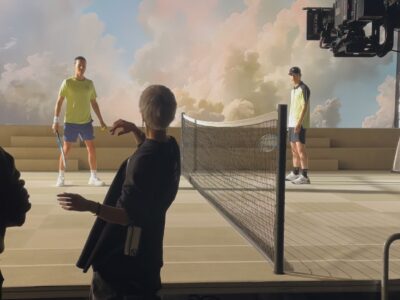
On set, the movement director acts as a physical and spatial supervisor. In practice, this role involves close collaboration with the director, cinematographer, and camera department. In fashion contexts, designers and stylists are often part of this exchange.
Key responsibilities include:
– Translating concepts into clear physical actions
– Adapting movement to framing and lens choices
– Aligning performer timing with camera movement
– Supporting performers during last-minute changes
– Maintaining continuity across takes and setups
Because productions often move quickly, on-set movement supervision allows flexibility without losing precision.
|
|
More about the Movement Director´s role on set |
Movement Direction in Advertising Campaigns
In advertising, movement communicates before words do. For this reason, physical expression must align precisely with brand identity. Confidence, control, elegance, or power are conveyed through posture, pacing, and gesture.
Movement direction ensures that these signals remain intentional on camera. Especially when working with celebrities or athletes, existing movement habits may need adjustment. As a result, movement direction strengthens visual clarity and brand consistency.
Movement Direction in Fashion Campaigns, Editorials, and Shows
Fashion requires a distinct movement sensibility. Runway movement depends on rhythm and clarity. Editorial and campaign work often calls for restraint or abstraction. In contrast, some fashion films demand expressive or experimental movement.
Movement direction shapes physical behavior so that it enhances the garment. At the same time, it respects the image composition and concept. This is particularly important when working with non-professional performers, whose movement may not automatically align with a designer’s vision.
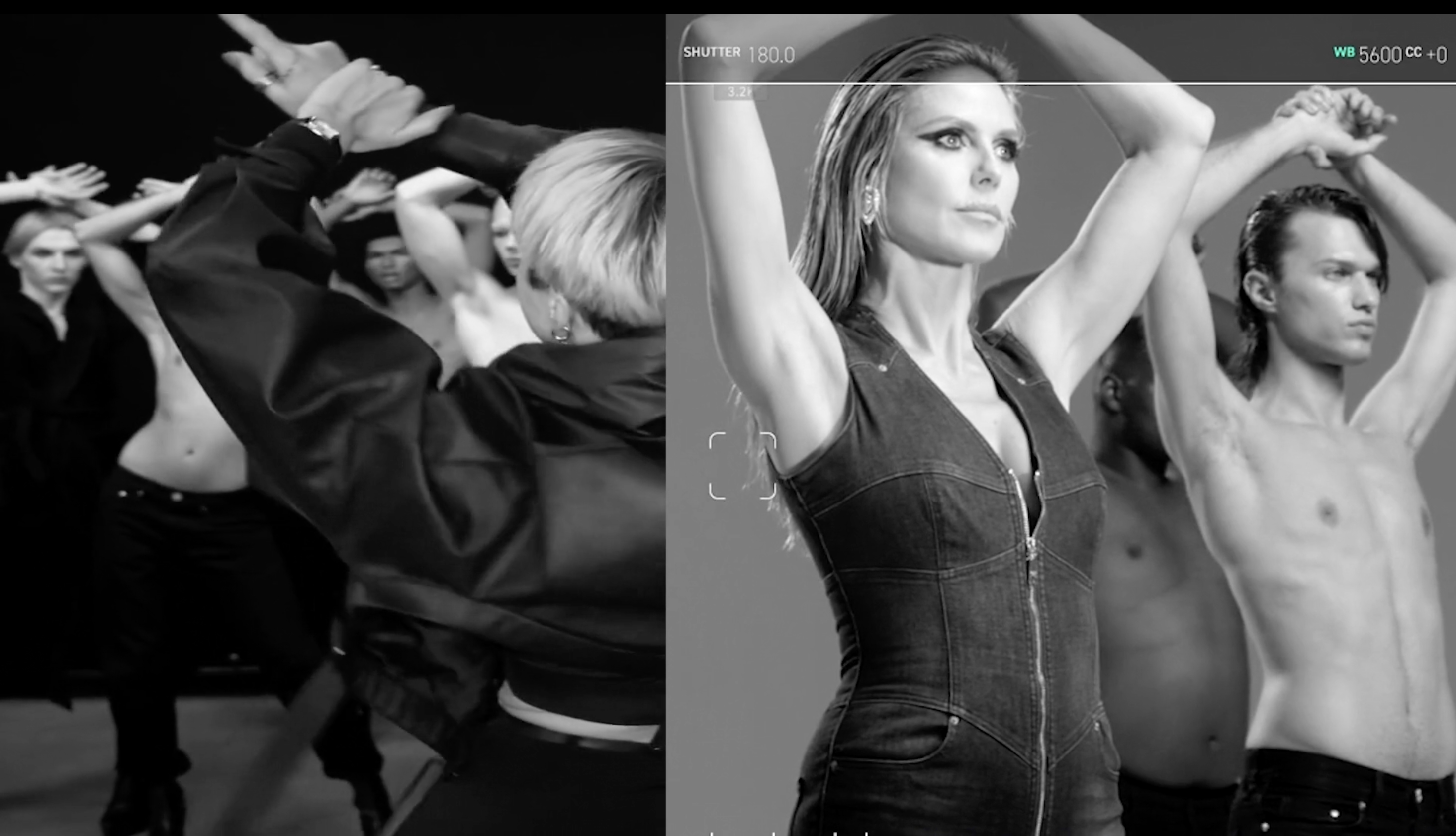
Working Across Performers and Constraints
Film, advertising, and fashion productions bring together performers with very different physical backgrounds. Actors, models, musicians, athletes, and extras often share the same frame. Therefore, a shared movement language becomes essential.
Movement direction develops this language through rehearsals, movement research, and camera-specific preparation. As a result, performers move with confidence, even under constraints such as costumes, sets, or technical equipment.
Why Movement Direction Is Essential Across Film, Advertising, and Fashion
In image-driven productions, movement is never neutral. Every physical decision is amplified by camera, garment, and repetition. For this reason, movement direction plays a central role in production quality.
Specifically, movement direction contributes to:
– Clear alignment between body, camera, and garment
– Consistent visual language across formats
– Stronger emotional and aesthetic impact
– Credible and intentional brand or design communication
– Higher overall production quality
Conclusion:
Movement as a Visual and Narrative Connector
Movement direction operates at the intersection of body, camera, and image. By aligning performer movement with camera movement and garment behavior, movement direction turns complex visual systems into coherent experiences.
As visual storytelling continues to evolve, movement direction ensures that physical expression remains precise, readable, and alive. In film, advertising, and fashion, it connects concept and embodiment—allowing images to speak through movement.
______________________________________________________________________________________
For a broader overview of the role, see What Does a Movement Director Do?
Selected projects across film, advertising, and fashion can be found in the Movement Director Portfolio.

Leave a Reply