

Why Authentic Movement on Camera Matters
Authentic Movement on Camera Explained
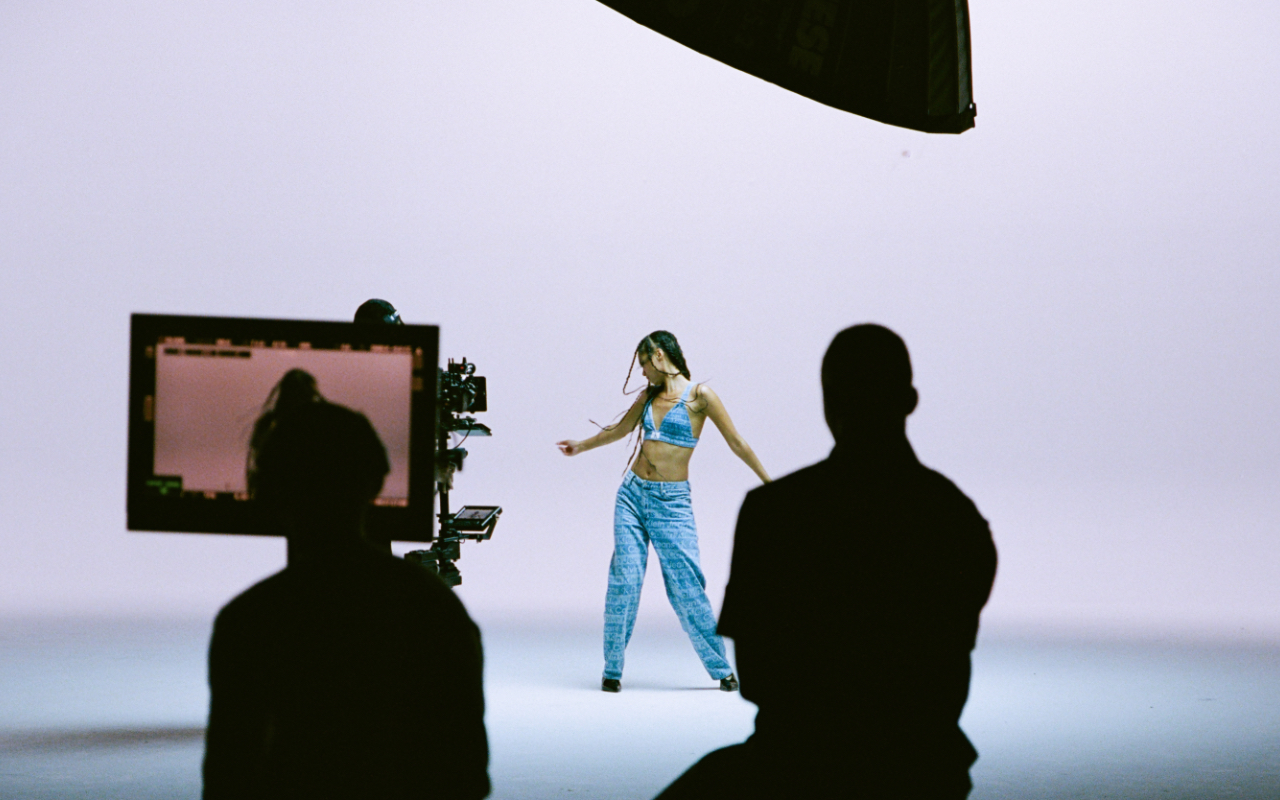
Introduction: Why Movement Authenticity Matters
On camera, movement is never neutral. Every gesture, shift of weight, or pause is recorded, framed, and repeated. Authentic movement on camera determines whether an image feels believable or artificial, intimate or distant.
In film, advertising, and fashion, audiences respond instinctively to physical truth. However, authenticity in movement is often misunderstood. It is not the absence of direction. Instead, it is a crafted quality that emerges through attention, awareness, and precision.
What Is Authentic Movement on Camera?
Authentic movement on camera refers to physical behavior that appears grounded, intentional, and coherent within a visual context. It feels natural, yet it is not accidental. Rather, it aligns body, intention, and environment in a way that reads clearly on screen.
Authenticity does not mean realism in a documentary sense. Stylized or abstract movement can still feel authentic if it follows an internal logic. By contrast, movement becomes inauthentic when it appears disconnected, generalized, or unaware of the camera’s presence.
Why Authentic Movement on Camera Is Perceived as Credible
The camera magnifies detail. Small hesitations, unnecessary tension, or unclear focus become visible through close-ups, repetition, and editing. Because of this, physical inconsistencies that might go unnoticed in real life can feel distracting on screen.
Editing further intensifies this effect. Movement is fragmented into shots and angles. Therefore, authentic movement on camera depends on physical consistency across perspectives, takes, and temporal shifts.
The impact of camera framing and editing on physical perception has long been discussed in cinematography practice, including by institutions such as the British Film Institute.
|
Authenticity Versus Stylization
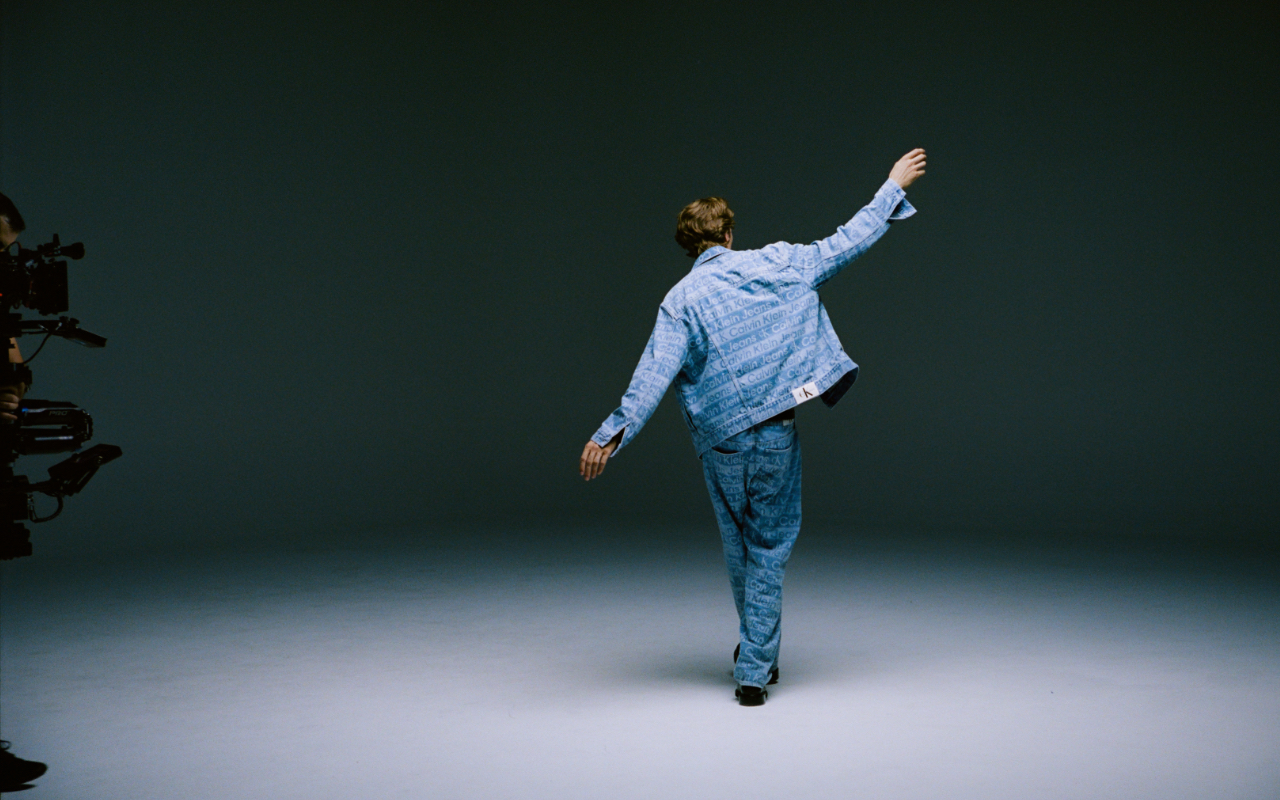
Authentic movement is often confused with naturalism. In reality, authenticity and stylization are not opposites. Stylized movement can feel deeply authentic when it is internally coherent and context-aware.
Problems arise when stylization lacks intention. Movement that is decorative but unanchored often feels hollow. In contrast, authentic stylization emerges when physical choices are informed by concept, rhythm, and spatial logic.
Natural Does Not Mean Unconsidered
Movement that appears natural is usually the result of careful consideration. Everyday gestures contain habits, tensions, and repetitions. On camera, these patterns become visible very quickly.
Authentic movement requires refinement. It involves choosing what to keep, what to reduce, and what to emphasize. As a result, the body communicates clearly without becoming rigid or performative.
Authentic Movement Builds Trust on Screen
Audiences may not consciously analyze movement, but they sense when something feels off. For this reason, authentic movement on camera plays a crucial role in trust and credibility.
In advertising, physical authenticity supports brand integrity. In film, it strengthens character believability. In fashion, it allows garments to appear lived-in rather than imposed. Across all formats, authentic movement invites viewers to stay with the image.
Authenticity Is a Directional Choice
Authentic movement does not happen by chance. It is shaped through direction, preparation, and awareness of visual conditions. Therefore, authenticity is not the absence of control, but the result of informed physical choices.
Movement direction creates the framework in which authenticity can emerge. By aligning body, camera, rhythm, and space, physical expression remains precise while still feeling alive.
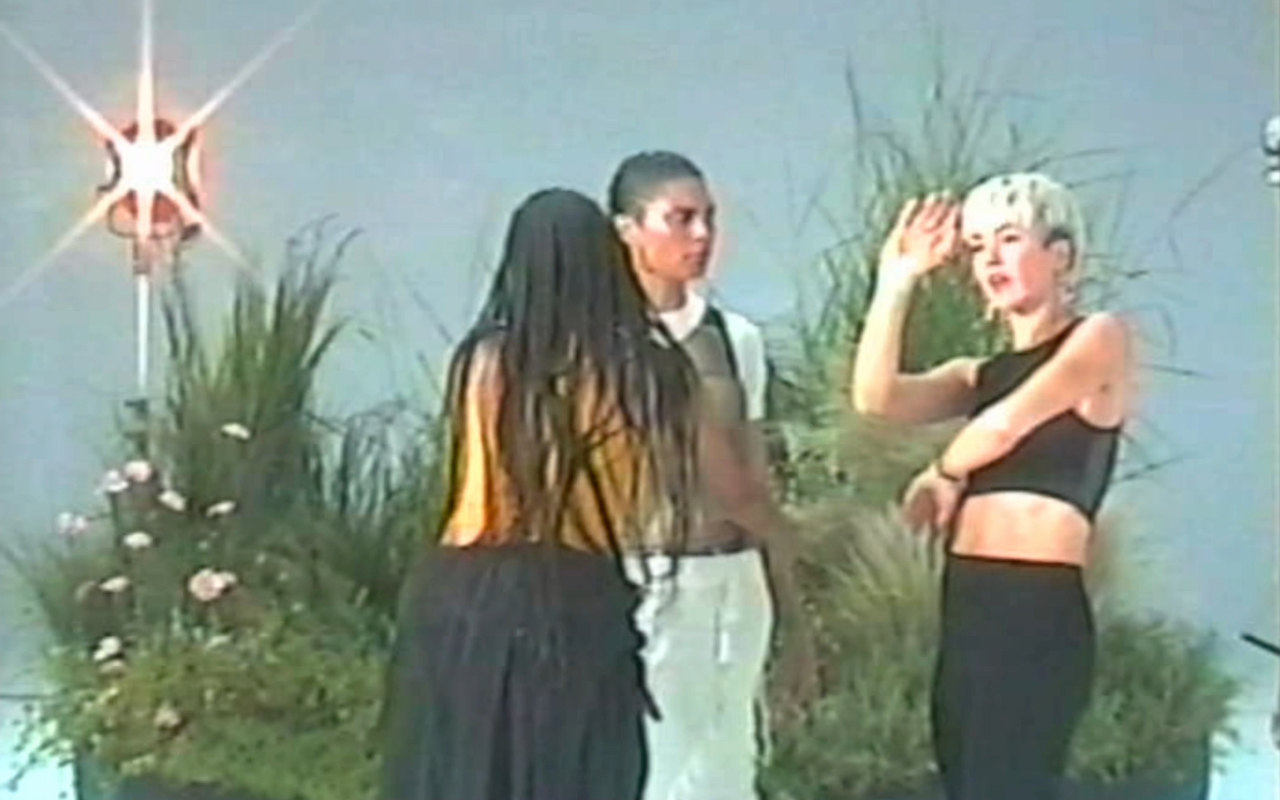 |
A behind-the-scenes view shows how on-set movement supervision is applied in practice. |
The Role of Awareness and Embodiment
Authentic movement on camera depends on embodiment. Performers must remain aware of their bodies, their environment, and the camera’s position. At the same time, they need enough freedom to respond intuitively.
This balance between awareness and responsiveness defines authenticity. When achieved, physical expression feels present rather than performed.
Conclusion: Authentic Movement as a Foundation of Visual Storytelling
Why does authentic movement matter on camera?
Because movement shapes how images are perceived, remembered, and trusted. Authentic movement on camera allows physical expression to support narrative, emotion, and design without distraction.
As visual storytelling continues to evolve, authenticity remains a foundation rather than a trend. Through careful direction and physical awareness, movement becomes a quiet but powerful force—connecting bodies, images, and audiences.
______________________________
For a practical perspective on movement under camera conditions, see Movement Director for Film Advertising and Fashion.
To understand the role behind this process in more depth, continue with What Does a Movement Director Do?

Leave a Reply